 Phone: +86 21 57674551
 E-mail: sales@chenpinsh.com
![Y5[98K8IZ$]AE`8_~L02Q{5](https://www.chenpinmachine.com/uploads/Y598K8IZAE8_L02Q5.png)


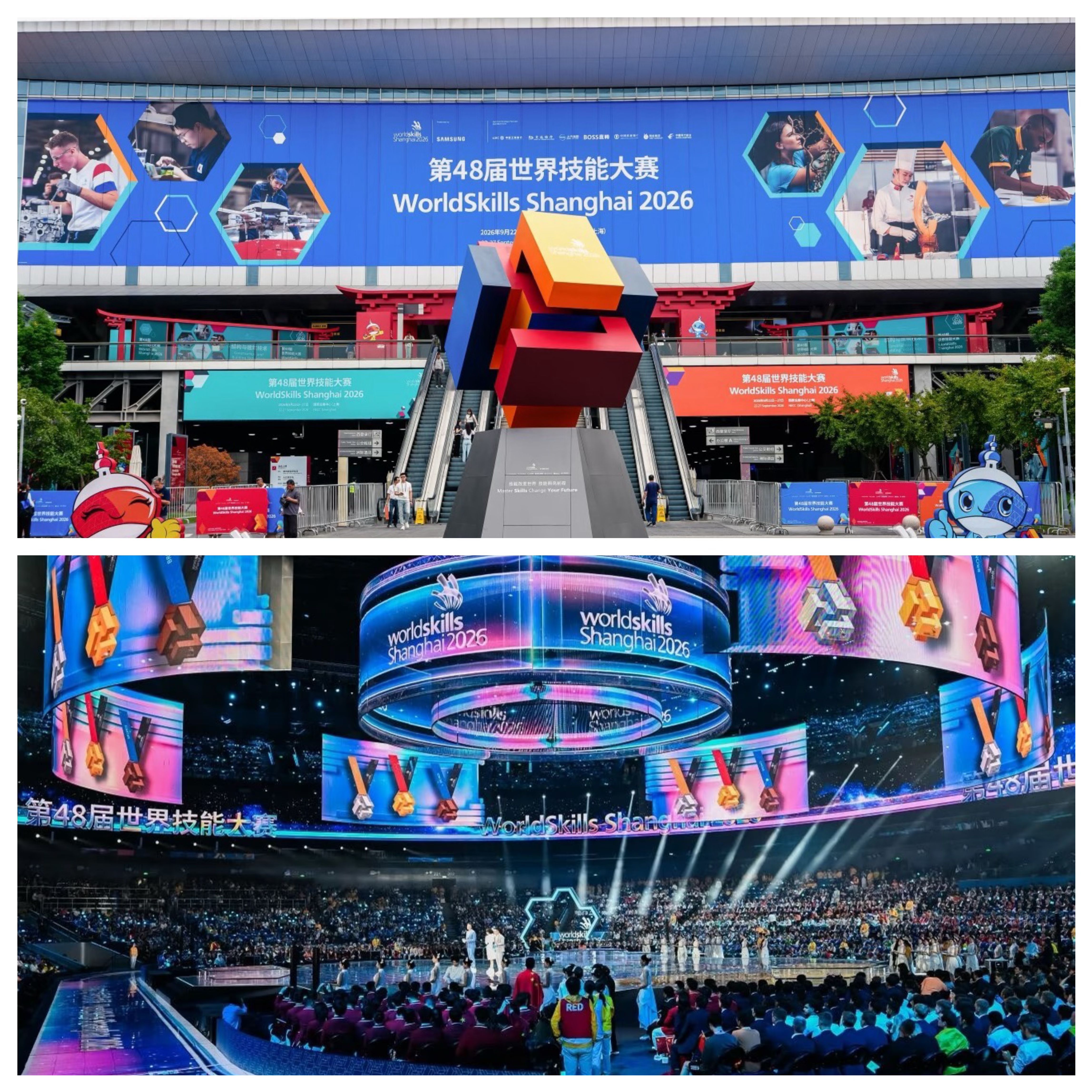
The 48th WorldSkills Competition has concluded in Shanghai. Team China won 41 gold, 11 silver, and 4 bronze medals, topping the gold medal tally for the fifth time.
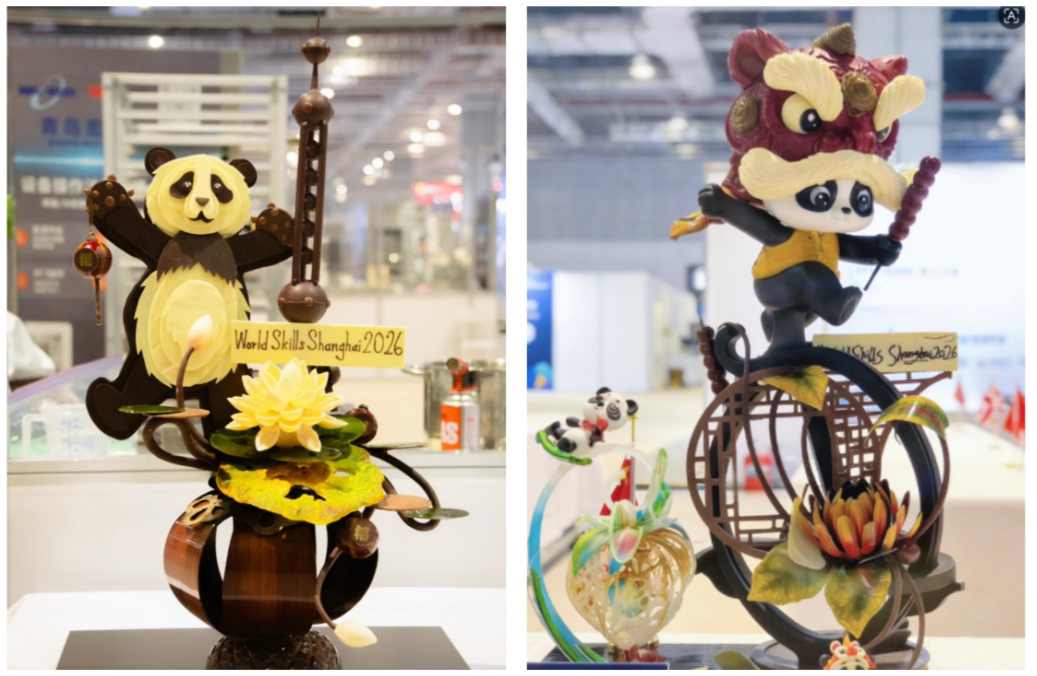
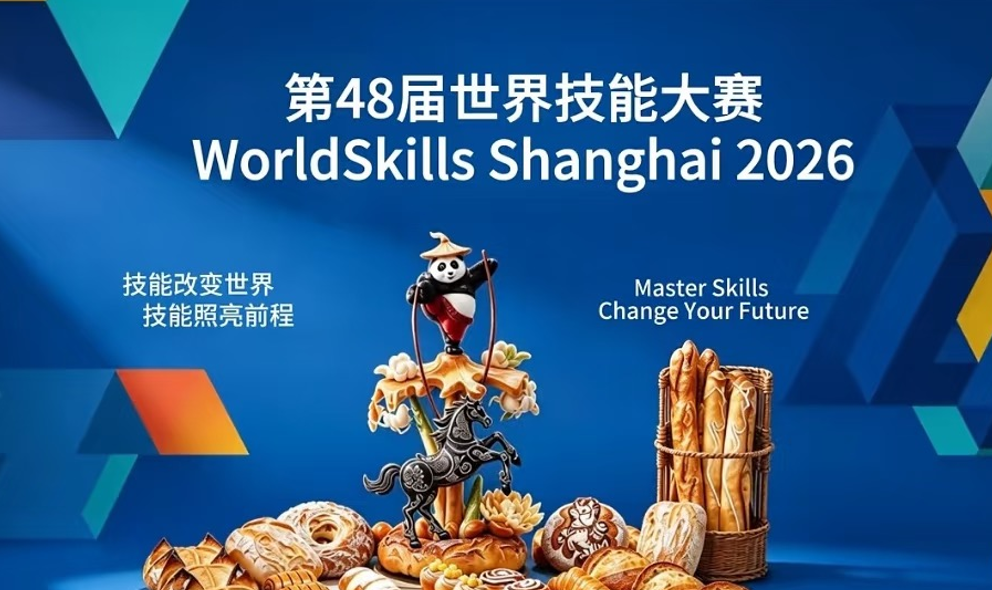
As someone in the food machinery industry, what struck me most at this WorldSkills was an easily overlooked detail: for the first time, the Bakery and Confectionery/Patisserie events fully adopted China-made equipment.
In other words, the hands that won the championship held Chinese equipment.
From “Adapting to Foreign Equipment” to “Equipment That Works with Competitors”
In the early years, Chinese competitors trained and competed mostly on foreign equipment. They had to adapt to the machines’ operating logic, temperature-control habits, and even the German or Italian labels on their control panels. The equipment was someone else’s, the rules were someone else’s, and the only option was to “adapt.”
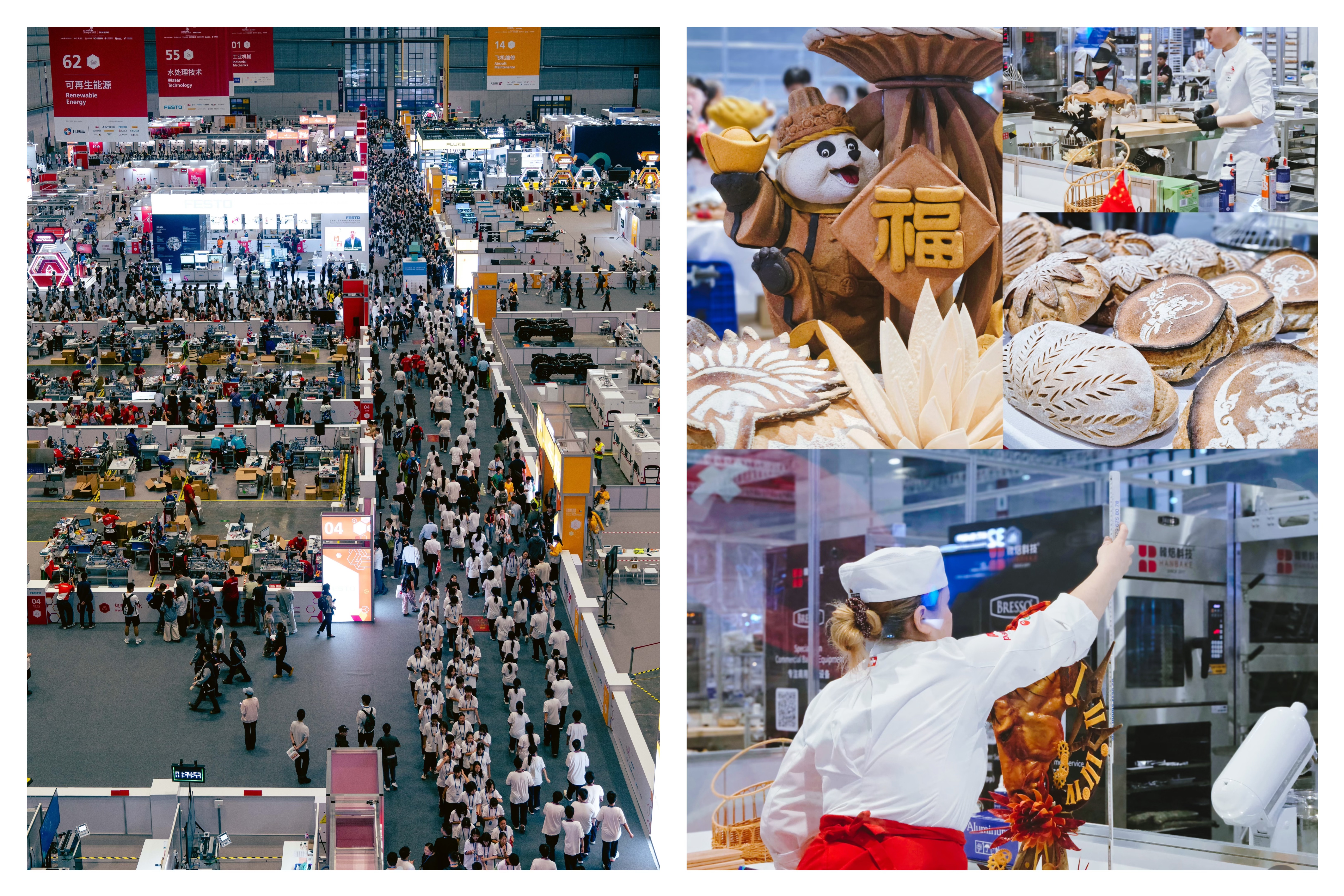
The change happened quietly. By this edition, from national competitions to WorldSkills, the full equipment setup had been replaced with China-made machines. Competitors no longer passively “adapted” to the equipment; instead, the equipment actively “worked with” them. The equipment provided for the event covered the entire baking process—from deck ovens, convection ovens, and proofers to dough sheeters, mixers, and blast freezers—a complete lineup.
This means the foundation of the championship win was Chinese equipment.
The logic behind this is simple: good results never come out of thin air.
Chinese competitors started from zero in WorldSkills Confectionery/Patisserie events: at WorldSkills Lyon 2024, Liu Xinru won the first gold; at WorldSkills Shanghai 2026, Wang Tianxiang claimed gold again. The performance curve has been rising steadily—and that curve happens to overlap closely with the timeline of Chinese baking equipment moving from trailing, to keeping pace, to gradually leading. As results improve, equipment is refined; the two achievements reinforce each other.
The champion’s hands held Chinese equipment. This is not just an honor—it is proof of strength repeatedly validated on the world’s top competitive stage.
An Expanding Industry Curve
The equipment upgrade at WorldSkills is just the beginning. Behind it lies an expanding industry curve.
In terms of exports, China's baking equipment exports exceeded 3.8 billion yuan in the first four months of 2026. Domestically, China's commercial baking equipment market grew steadily from 3.02 billion yuan in 2017 to 5.39 billion yuan in 2025, and is projected to reach 7.93 billion yuan by 2030. The downstream bakery food retail market expanded from 474.52 billion yuan to 662.15 billion yuan. Growth on the equipment side is never isolated—it follows consumption, follows store openings, and follows every bakery and central kitchen around the world.
CHENPIN Food Machine is one such coordinate on this curve. Having exported food production lines for years, we have come to understand one thing more and more clearly: going global with equipment is not just about loading machines into containers. Voltage, raw material characteristics, production pace, hygiene standards, and even operator habits in different countries all need to be "translated" into the design. This is the same principle as WorldSkills—equipment should serve people, not make people accommodate the equipment.
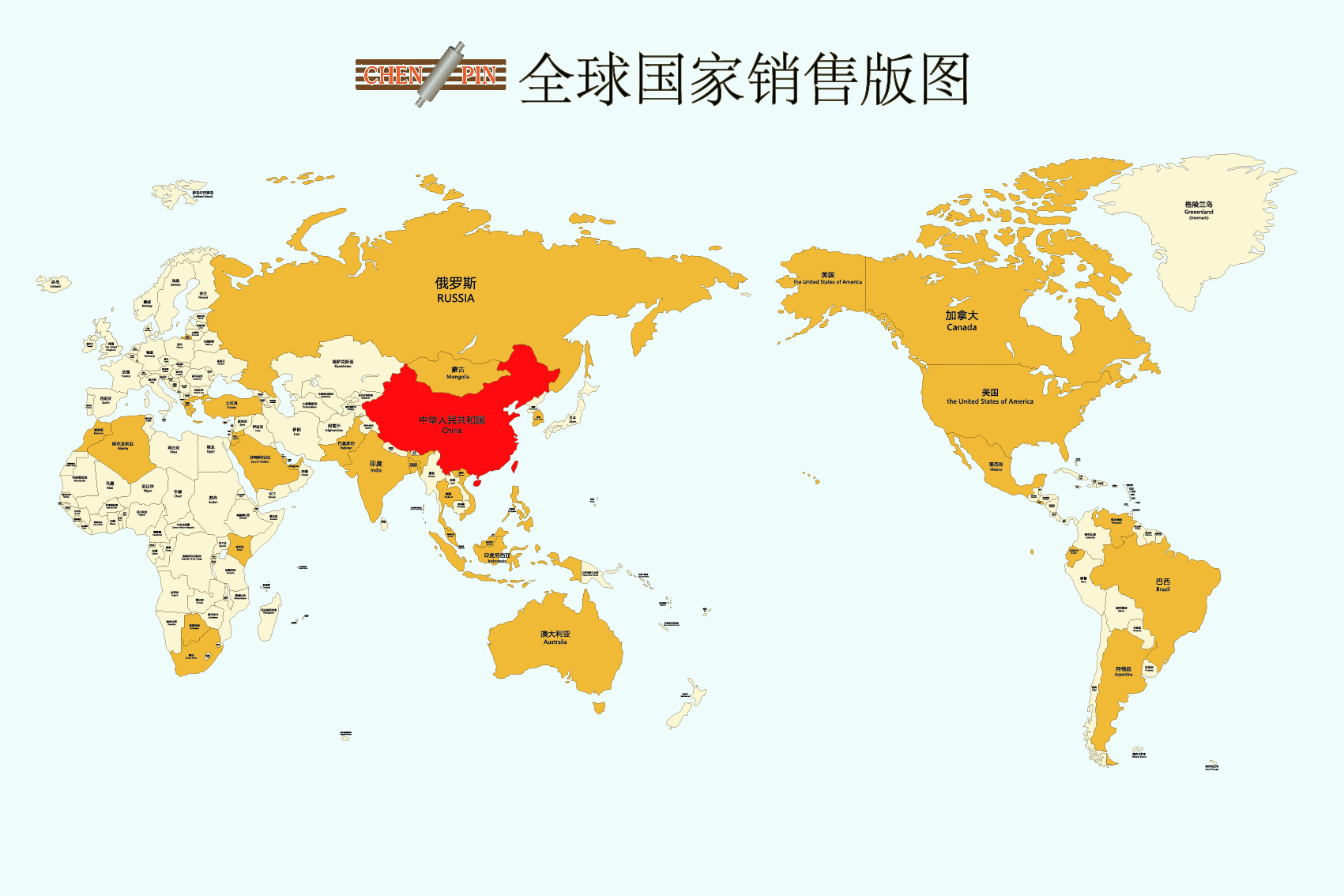
At present, Chenpin has exported to more than 30 countries across six continents: Asia, Africa, North America, South America, Oceania, and Europe. In the next stage, what we need to do is not to “push” Chinese equipment overseas, but to “translate” overseas users’ operating habits back into our designs. From “usable” to “easy to use,” from “Made in China” to “Chinese standards,” the window is now open.
The champion’s hands have held Chinese equipment. This is only the beginning. The next step: bring truly easy-to-work-with Chinese equipment to production lines around the world.
Post time: Oct-08-2026